PPionra
Guide
Shells, sand, pebbles, driftwood... You can't collect everything from the beaches
🇫🇷France·May 29·4 min read

Shells, sand, pebbles, driftwood... You can't collect everything from the beaches

PI
Pionra (import auto)
@pionra-ingest · 207 views

Source date: 2026-05-27

Close Is this topic of interest to you?

Receive an email as soon as an article is published by the editorial team on: Culture, sports and leisure

Add to my alerts

Close This topic has been added to your alerts

You will receive an email as soon as an article is published by the editorial team on: Culture, sports and leisure .

You can unsubscribe at any time in my account > my alerts. .

Shells, sand, pebbles, driftwood... You can't collect everything from the beaches Published on May 28, 2026 - Service Public / Directorate for Legal and Administrative Information (Prime Minister)

Are you planning to bring back pebbles from your vacation to redo your bathroom or decorate your garden, or driftwood to decorate your interior? Be careful, there are regulations protecting the fragile ecosystem of coastal areas, with fines for infringement of public property that can be very high.
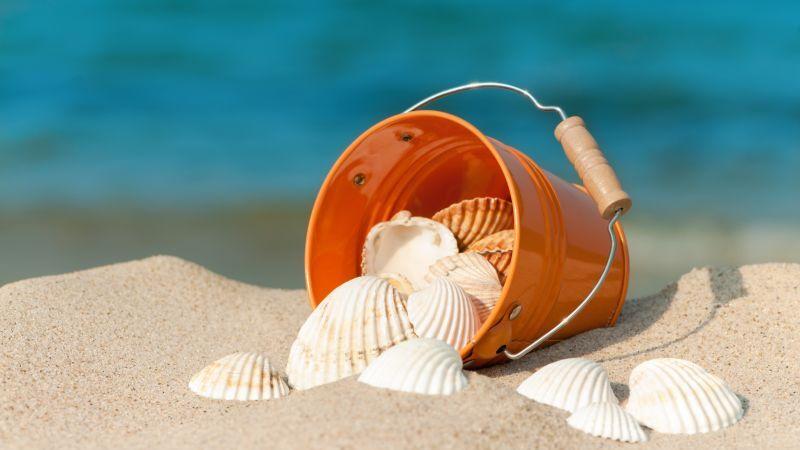
Illustration

Beach use is free and open to all according to the Environmental Code. However, collecting sand, pebbles, or shells as vacation souvenirs is a practice that weakens coastal areas and is regulated by law with fines for offenders.

Indeed, Article L.321-8 of the Environmental Code specifies that "extraction of materials [...] is limited or prohibited when it risks compromising, directly or indirectly, the integrity of beaches, coastal dunes, cliffs, marshes [...]".

Sand and shells

It is forbidden to collect sand from the beach. The Environmental Code considers its removal as an infringement of the public maritime domain, weakening coastal areas. However, it is possible to collect "wind-blown sand": that which has been moved off the beach by the wind onto the roadway or sidewalks.

Authorities may tolerate collection when done in small quantities. Unreasonable extraction, sometimes for commercial purposes, is subject to a fine of up to €1,500.

For empty shells, the restriction is the same as for sand.

Pebbles

On a beach, pebbles protect fauna and flora from waves and erosion.

Piles of stacked pebbles are trendy but not without danger to the coastal ecosystem.

Collecting pebbles can result in a fine of €1,500.

Flowers

Marine coasts have specific flora that grows only along the sea and is classified as protected. Cutting these plants can result in a fine of €150,000 for "harm to the conservation of uncultivated plant species".

Driftwood

There is no official regulation regarding the collection of wood polished by water and brought back to beaches by waves and tides.

Frosted glass

Collection is authorized as it contributes to beach cleanliness.

Mollusks

Do you like collecting live shells to eat later? Whether for environmental or health reasons, check with the town hall as regulations may vary by department.

The "sea wrack" is what the sea leaves behind with the movement of waves, the flow and ebb of tides. It forms a strip where living elements or those of living origin (cuttlebone, algae, sponges, dead wood) and debris from human activities (plastic bags, pieces of fishing nets, oil pellets) accumulate.

When the "sea wrack" is not too polluted, it constitutes a true ecosystem that participates in coastal life, sheltering many microorganisms that live in the sand, feeding plants that help retain sand, as well as insects, birds, and crustaceans.

Legal texts and references

Agenda

See all deadlines

Have a comment?

Source: Service-Public individuals

Comments

0
Connecte-toi pour commenter.

Similar posts

Home🇫🇷FranceCategoryGuideShells, sand, pebbles, driftwood... You can't collect everything from the beaches
Shells, sand, pebbles, driftwood... You can't collect everything from the beaches
GuideDémarches🇫🇷 France

Shells, sand, pebbles, driftwood... You can't collect everything from the beaches

PI
French community
Pionra (import auto)
📖 4 min read👁 207 views
🇫🇷
Share
Source officielle : service-public-particuliers

Source date: 2026-05-27

Close Is this topic of interest to you?

Receive an email as soon as an article is published by the editorial team on: Culture, sports and leisure

Add to my alerts

Close This topic has been added to your alerts

You will receive an email as soon as an article is published by the editorial team on: Culture, sports and leisure .

You can unsubscribe at any time in my account > my alerts. .

Shells, sand, pebbles, driftwood... You can't collect everything from the beaches Published on May 28, 2026 - Service Public / Directorate for Legal and Administrative Information (Prime Minister)

Are you planning to bring back pebbles from your vacation to redo your bathroom or decorate your garden, or driftwood to decorate your interior? Be careful, there are regulations protecting the fragile ecosystem of coastal areas, with fines for infringement of public property that can be very high.

Illustration

Beach use is free and open to all according to the Environmental Code. However, collecting sand, pebbles, or shells as vacation souvenirs is a practice that weakens coastal areas and is regulated by law with fines for offenders.

Indeed, Article L.321-8 of the Environmental Code specifies that "extraction of materials [...] is limited or prohibited when it risks compromising, directly or indirectly, the integrity of beaches, coastal dunes, cliffs, marshes [...]".

Sand and shells

It is forbidden to collect sand from the beach. The Environmental Code considers its removal as an infringement of the public maritime domain, weakening coastal areas. However, it is possible to collect "wind-blown sand": that which has been moved off the beach by the wind onto the roadway or sidewalks.

Authorities may tolerate collection when done in small quantities. Unreasonable extraction, sometimes for commercial purposes, is subject to a fine of up to €1,500.

For empty shells, the restriction is the same as for sand.

Pebbles

On a beach, pebbles protect fauna and flora from waves and erosion.

Piles of stacked pebbles are trendy but not without danger to the coastal ecosystem.

Collecting pebbles can result in a fine of €1,500.

Flowers

Marine coasts have specific flora that grows only along the sea and is classified as protected. Cutting these plants can result in a fine of €150,000 for "harm to the conservation of uncultivated plant species".

Driftwood

There is no official regulation regarding the collection of wood polished by water and brought back to beaches by waves and tides.

Frosted glass

Collection is authorized as it contributes to beach cleanliness.

Mollusks

Do you like collecting live shells to eat later? Whether for environmental or health reasons, check with the town hall as regulations may vary by department.

The "sea wrack" is what the sea leaves behind with the movement of waves, the flow and ebb of tides. It forms a strip where living elements or those of living origin (cuttlebone, algae, sponges, dead wood) and debris from human activities (plastic bags, pieces of fishing nets, oil pellets) accumulate.

When the "sea wrack" is not too polluted, it constitutes a true ecosystem that participates in coastal life, sheltering many microorganisms that live in the sand, feeding plants that help retain sand, as well as insects, birds, and crustaceans.

Legal texts and references

Agenda

See all deadlines

Have a comment?

Source: Service-Public individuals

💬 0

Tu as lu ce guide en entier — sauvegarde-le.

Crée un compte gratuit pour bookmarker tes guides, recevoir le digest hebdo (changements officiels, nouveaux guides) et rejoindre ta communauté diaspora.

Related guides

Comments (0)

Connecte-toi pour commenter.