
Source date: 2026-05-25
Close Is this topic of interest to you?
Receive an email as soon as an article is published by the editorial team on: Training, work, Employees
Close This topic has been added to your alerts
You will receive an email as soon as an article is published by the editorial team on: Training, work, Employees.
You can unsubscribe at any time in my account > my alerts.
Protecting yourself and your loved ones from extreme heat Published on May 26, 2026 - Service Public / Directorate for Legal and Administrative Information (Prime Minister)
Periods of extreme heat are returning and can have serious effects on the health of vulnerable people (fatigue, nausea, headaches, dizziness, cramps, dehydration, heatstroke, etc.). The Ministry of Health reminds us of the steps to take to protect ourselves.
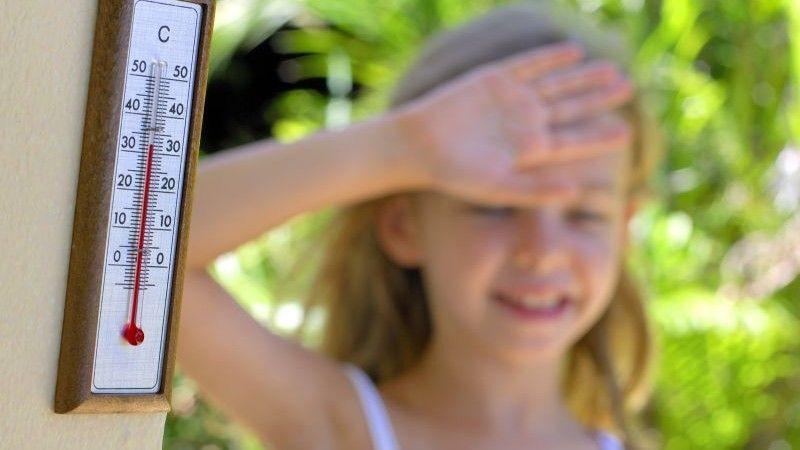
A heat peak is an episode characterized by intense heat of short duration (over 1 to 2 days) or by high temperatures that persist over time. A heatwave episode features very high temperatures day and night for at least 3 consecutive days. Find the main health rules regarding heatwaves on the Ministry of Health website.
Adopt the right habits
Exposure to extreme heat poses a significant risk to everyone's health, particularly for the most fragile individuals: the elderly, young children, pregnant women, people with disabilities or chronic illnesses, those taking certain medications, and people in precarious situations. Simple actions can help prevent serious accidents such as dehydration or heatstroke. Do not hesitate to take all necessary precautions before the first signs of physical distress appear, even if they seem insignificant.
The main conditions linked to heat include fatigue, which can lead to dizziness, malaise, muscle cramps, and dehydration. Other symptoms such as constipation, weight loss, low blood pressure, and tachycardia may also occur. The most serious risk is heatstroke, which can be fatal.
In hot weather, the body struggles to regulate its temperature, and other symptoms may appear: hot, red, and dry skin, headaches, nausea, drowsiness, and unusual aggressive behavior.
Protect yourself by adopting the following measures:
-
Drink water; prefer gelled water or sparkling water for people who have difficulty swallowing;
-
Avoid drinks with high caffeine content such as coffee, tea, or very sugary drinks like sodas;
-
Wet your body;
-
Close shutters and windows;
-
Opt for gentle activities;
-
Eat fresh, balanced meals;
-
Check in on the most vulnerable;
-
In case of feeling unwell, call 15.
It is also important to monitor your diet. Eat enough, spreading meals throughout the day if needed, and maintain a balanced diet by favoring foods rich in water (fruits, raw vegetables, cooked vegetables, cold soups, compotes, etc.). Finally, avoid eating or drinking ice-cold products.
Keep your home cool
The French Agency for Ecological Transition (Ademe) provides these recommendations to keep your home cool:
-
During the day, close the shutters as soon as the sun hits the window or before leaving for work in the morning. Also close windows as soon as the outside temperature exceeds that of your home. If your home has multiple exposures, keep windows closed on the sunny side and open on the shaded side if this allows for cross-ventilation.
-
To cool rooms through water evaporation, you can hang a damp cloth in front of an open window on the shaded side.
-
Open windows at night and create air circulation to dissipate heat stored inside.
-
Use fans and misters. You can place an ice pack or a bag of ice cubes in front of a fan.
-
Avoid using appliances that generate heat: hot plates, ovens, etc.
You can also apply heat-reducing films to windows; they can block up to 90% of solar radiation before it enters the rooms.
For real-time weather information, Météo France's vigilance map is updated at least twice daily at 6:00 AM and 4:00 PM on the site vigilance.meteofrance.fr.
Most vulnerable people: register on the heatwave registry
The heatwave registry allows municipalities to list people who wish to receive assistance during heatwave episodes. It is a free and confidential service. The mayor is required to establish and maintain this municipal register. Its purpose is to locate populations at highest risk, who will be regularly contacted by city services throughout the alert period to ensure they do not need help. During these calls, agents also remind recipients of basic advice to avoid dehydration risks and stay cool. If the person called does not answer, and the lack of response is deemed concerning, the Municipal Social Action Center (CCAS), responsible for these calls, may contact the municipal police, who will visit and, as a last resort, contact the fire department.
Certain categories of people can register, provided they reside at their home:
-
People aged 65 and over;
-
People aged over 60 recognized as unfit for work;
-
Adult persons with disabilities;
-
The most vulnerable people (isolated, undergoing medical treatment, pregnant women, etc.).
Registration requests must be made either by the person concerned (or their legal representative) or by a third party (the person's entourage or a service assisting them).
To find out the exact procedures, contact your town hall.
The heatwave registry is activated when the Level 3 heatwave plan is triggered: this level corresponds to a period of intense heat (average of 34 degrees) with nighttime temperatures remaining high, i.e., above an average of 20 degrees, for more than 3 consecutive days.
See also
-
Heat: what are the employer's obligations? Service Public
-
Recommendations in case of a heatwave Ministry of Health
-
Tips and tricks for living better with the heat Public Health France
-
First extreme heat and heatwaves: what steps to take to protect yourself? National Health Insurance Fund (Cnam)
Agenda
-
From June 1, 2026 to Jan. 15, 2027 Higher Education How to benefit from Parcoursup mobility aid? Published on May 12, 2026
-
From June 24 to July 21, 2026 Sales What are the dates for the summer 2026 sales? Published on May 7, 2026
-
From June 20, 2025 Sustainable consumption Energy label extended to smartphones and tablets from June 20 Published on June 12, 2025
Source: Service-Public professionals